
Honeycomb Core HPL Panels: Lightweight Strength and Acoustic Control
2026-07-30
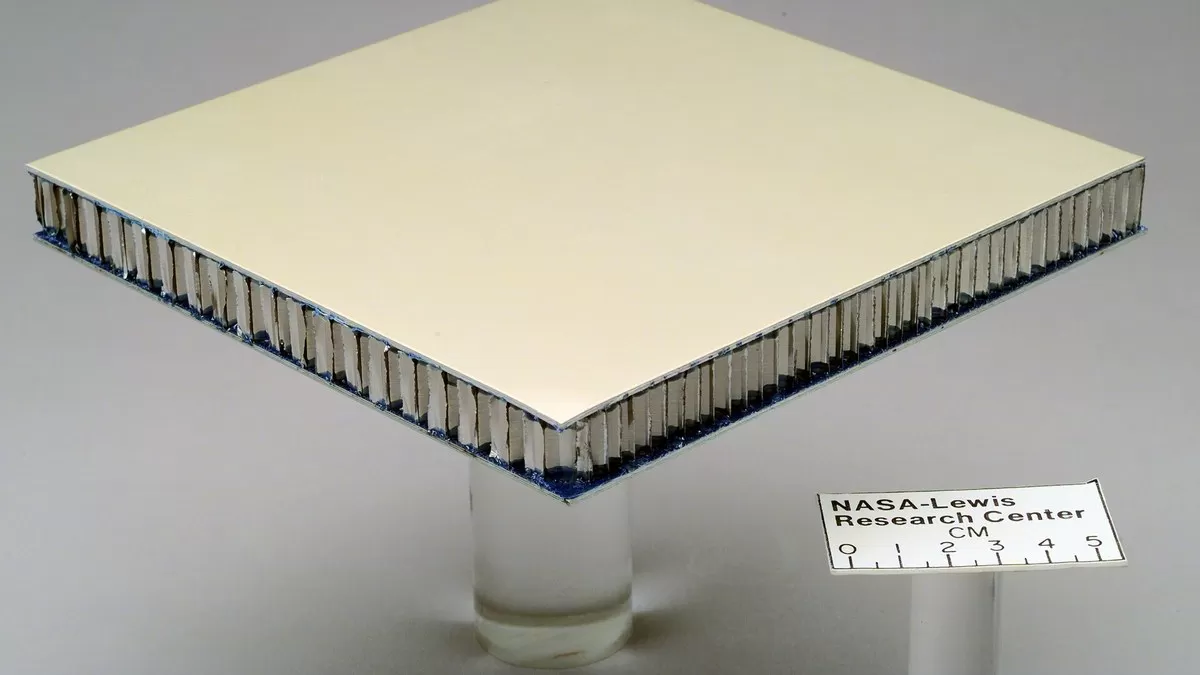
Why the core matters
A sandwich panel gains much of its bending stiffness by separating two durable face sheets with a lightweight core. In a honeycomb HPL panel, this structure can reduce weight while maintaining the rigidity needed for larger components. The result can simplify handling, reduce load on supporting structures and open new possibilities for doors, partitions, transport interiors and facade elements.
Acoustics depend on the complete build-up
A honeycomb core can contribute to sound control, but acoustic performance is never created by the core name alone. Face-sheet thickness, perforation, cavity depth, backing material and installation details all affect the result. If sound absorption or transmission is a project requirement, ask for test data that matches the proposed panel construction rather than relying on a general product claim.
Connection details deserve early attention
Lightweight panels behave differently from solid compact boards when hardware is attached. Hinges, anchors and edge fixings may need inserts or reinforced zones. These details should be defined before cutting begins. Exterior projects also require careful review of wind load, water management, thermal movement, fire classification and the compatibility of sealants and subframes.
What to send a supplier
A useful inquiry includes panel dimensions, face finish, total thickness, edge design, expected loads, fixing points and indoor or outdoor exposure. Add any fire, acoustic or environmental standard required in the destination market. With those inputs, the supplier can recommend a build-up and provide representative samples or test documents for technical approval.